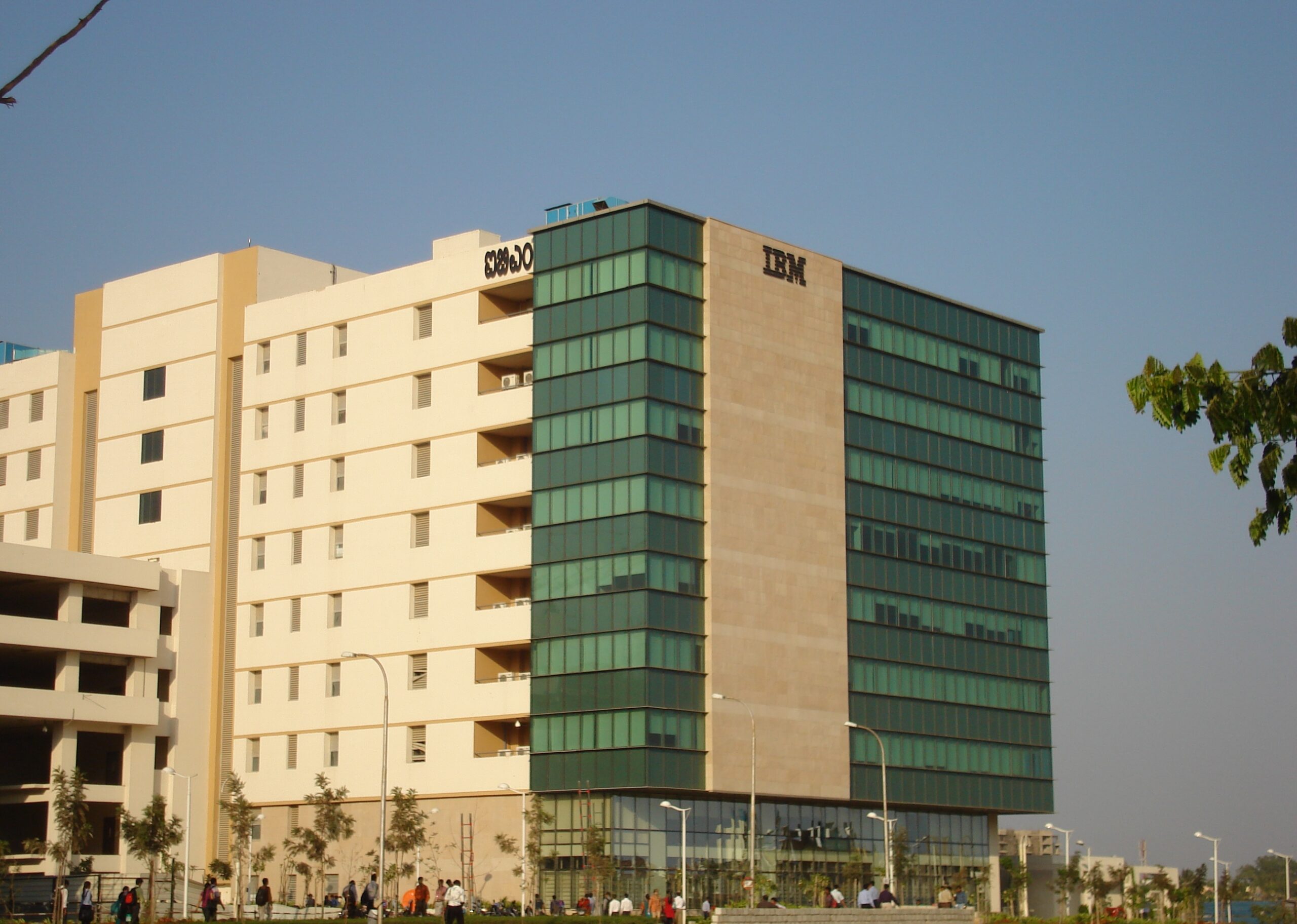
Manyata Tech Park in Bangalore is one of India’s largest and best-known technology parks. Spread across a vast campus in the north of the city, it brings together global technology companies, fast-growing startups, research and development centres, and the services that support them all. The original post describes it as home to nearly 200 organisations, and that scale is what makes Manyata worth understanding: it is not a single office building but a small working city of its own.
This guide looks at the companies that make Manyata home, the advantages that draw them there, the research happening inside the park, and the collaborative culture that has made it a lasting part of Bangalore’s reputation as India’s technology capital.
What Is Manyata Tech Park?
Manyata Tech Park sits in Nagawara, in north Bangalore, close to the city’s outer ring road and within reach of the international airport. It was developed as a purpose-built campus for technology and business services, with large office blocks, landscaped grounds, food courts, transport links and recreational spaces. For the companies inside, the appeal is straightforward: modern infrastructure, room to grow, and a location that can attract talent from across the country.
For Bangalore, the park matters because of the employment and economic activity it concentrates in one place. Thousands of professionals work there every day, and their presence supports housing, shops, restaurants and transport in the surrounding neighbourhoods. That ripple effect is one of the reasons tech parks like Manyata are treated as economic assets, not just real estate.
Global Tech Leaders in Manyata
The most visible tenants in Manyata are the global technology companies that have set up large offices and development centres inside the park. The original post names Microsoft, IBM, Cognizant and Philips among them, and each of these companies uses its Manyata presence differently.
IBM has built a significant footprint in the park, using its facilities for work in areas such as deep learning, cloud computing and data analytics. The work done there serves markets in India and around the world, and IBM’s presence has been one of the anchors that helped establish Manyata’s credibility with other multinationals.
Microsoft has also invested heavily in Manyata, focusing on building software and cloud-based solutions. The company’s teams there work on products and platforms used far beyond Bangalore, and its presence reinforces the park’s role as a place where global products are built, not just supported.
Cognizant, one of the world’s largest IT services companies, is another major tenant named in the original post. Like IBM and Microsoft, it uses its Manyata offices as a base for serving clients in multiple industries, from banking and healthcare to retail and manufacturing.
Philips, the Dutch technology and healthcare company, has an important research and development operation in Manyata, focused in particular on medical technology. Its teams work on medical devices and healthcare systems aimed at improving patient outcomes and the delivery of care — a reminder that the park’s work extends well beyond consumer software.
Together, these companies give Manyata its international character. A young engineer joining one of them in Bangalore is, in practical terms, joining a global operation, and that is a large part of why the park attracts talent from across India.
Startups and Scaleups in Manyata
Manyata is not only a home for multinationals. The park has also hosted startups and scaleups — younger companies that are growing fast and need space, infrastructure and access to talent. The original post names several successful companies in this category.
According to the original post, companies including Swiggy, Ola and Byju’s started out in Manyata. That claim is repeated here as the original’s, not as a verified founding history: these companies’ founding stories are widely reported, and readers should not rely on this post alone for where each was founded. What is clear is that Manyata has been associated with some of India’s best-known consumer technology brands at some stage of their growth.
The original also names Curefit and UrbanClap — now known as Urban Company — as scaleups expanding their operations around Manyata. These are companies that outgrew the earliest startup stage and needed larger, more professional workspaces, and a tech park offers exactly that: flexible office space, reliable infrastructure, and a location that new hires already know.
The mix matters. A park that only housed multinationals would be stable but static; a park that only housed startups would be energetic but fragile. Manyata’s combination of the two gives it both stability and momentum, and it gives employees a range of career paths within a single campus.
The Advantages of Manyata
Companies choose Manyata for a set of practical advantages that the original post lists and that remain relevant in 2026:
- Modern facilities and services. The campus offers purpose-built offices, reliable power and connectivity, food courts, transport, and amenities that individual office buildings struggle to match.
- Access to a large talent pool. Bangalore draws engineers, designers, managers and researchers from across India, and a well-known park in the city is an easier place to recruit for than an obscure address.
- A collaborative environment and networking opportunities. With so many companies in one place, informal contact between professionals is constant — at lunch, at events, and in shared spaces.
- Proximity to the airport and the city centre. Manyata’s position in north Bangalore puts it within reach of the international airport and the city’s main commercial areas.
These advantages reinforce each other. Good facilities attract good companies, good companies attract good people, and good people attract more companies. That self-reinforcing cycle is the real reason a tech park succeeds or fails, and it is the cycle Manyata has sustained.
Research and Development in Manyata
Research and development is the foundation of Manyata’s reputation, and several companies have set up dedicated R&D centres there. The park’s environment encourages a fearless business mentality — a willingness to experiment, to push boundaries, and to invest in ideas that may take years to pay off.
Philips’ R&D operation is a leading example. Its research institute in Manyata works on cutting-edge medical devices, with the aim of improving patient outcomes and making healthcare delivery more effective. This is long-horizon work: medical technology takes years to develop, test and bring to market, and it requires the kind of stable, well-equipped environment a tech park provides.
Nvidia is another major R&D presence named in the original post. The company is best known for its graphics processing units (GPUs), which have become central to artificial intelligence and deep learning, and its Manyata teams work in these areas. The original describes Nvidia’s research in deep learning and AI as being at the cutting edge of technology, with applications ranging from gaming to self-driving vehicles — a broad range that reflects how widely GPU computing is now used.
R&D matters to a tech park because it creates the highest-value work. A support centre can be moved; a research lab with specialised staff, equipment and institutional knowledge is far harder to relocate. The more R&D Manyata holds, the more durable its position becomes.
A Collaborative Environment
One of Manyata’s defining characteristics is its collaborative ecosystem. The park encourages interaction between companies, educational institutions and research organisations, and that interaction takes many forms: technology meetups, conferences, hackathons, and informal gatherings that bring business leaders, scientists and academics together to share ideas.
Startups and employees also make use of online courses to stay current with new trends and technologies, a habit that matters in an industry where the tools and techniques change every year. The park’s design supports this culture: modern buildings, fast connectivity, landscaped grounds and recreational venues make it a place where people want to spend time, not just work.
That work-life balance is part of the pitch. Landscaping and entertainment venues inside the campus give employees somewhere to decompress, and that matters for retention in a competitive hiring market. A tech park that feels like a good place to work is easier to recruit for than one that feels like an office block with a gate.
Economic Effects and Future Potential
Manyata’s impact extends beyond its boundaries. The arrival of thousands of professionals has fuelled housing developments, shops, restaurants and services in the surrounding areas. Local businesses thrive by serving the park’s workforce, and the employment it generates draws skilled workers from across the country.
Looking ahead, the original post notes that Manyata has potential for further growth, with plans for more office space, improved infrastructure and better services. The aim is to attract larger multinational organisations while continuing to support startups and small and medium-sized enterprises. That dual ambition — big and small, global and local — is the right one for a park of this size.
The challenges are real: traffic around north Bangalore, pressure on housing, and competition from other tech hubs in India and abroad. But Manyata’s track record — nearly 200 organisations, by the original’s count, across global tech, startups and research — gives it a strong base to build on.
Frequently Asked Questions
Where is Manyata Tech Park located?
Manyata Tech Park is in Nagawara, north Bangalore, India, close to the outer ring road and within reach of the international airport.
Which global companies have offices in Manyata?
The original post names Microsoft, IBM, Cognizant and Philips as major tenants, with Nvidia as a significant R&D presence. Tenancies change over time, so this is a snapshot from the original post rather than a current directory.
How many companies are in Manyata Tech Park?
The original post from 2024 says the park is home to nearly 200 organisations. That figure is the original’s and may have changed since.
Does Manyata host startups as well as large companies?
Yes. Alongside multinationals, the park has hosted startups and scaleups, including names such as Swiggy, Ola, Byju’s, Curefit and UrbanClap (now Urban Company), according to the original post.
What kind of R&D happens in Manyata?
The original highlights Philips’ work on medical devices and Nvidia’s work on GPUs and artificial intelligence, alongside IBM’s work in deep learning, cloud computing and data analytics.
The Bottom Line
Manyata Tech Park is more than an office complex. It is a working ecosystem in which global technology companies, startups, researchers and support services operate side by side, sharing infrastructure, talent and ideas. The wide range of organisations — from large multinationals to fast-moving new businesses — creates a climate in which ideas are nurtured and technology is built.
As Manyata continues to grow, it will remain an essential part of Bangalore’s standing as the technology hub of India, driving employment, innovation and prosperity for years to come. For anyone trying to understand where India’s technology industry actually works, day to day, Manyata is one of the first places to look.