Explore the Top 10 Credit Cards in India with detailed benefits, rewards, cashback, lounge access, and features to help you choose the best car
Rich, historic, and intriguing, South Korea’s tea tradition presents a range of unusual teas not found anywhere else in the world. There is something for every tea enthusiast whether your visit is to a classic tea house or learning about the greatest local combinations. Maintaining connection with an eSIM will help you to improve your experience of South Korea. While keeping in touch with friends and relatives, ESIMKOREA.net allows you to quickly browse tea establishments, locate the finest places to buy tea, and even join tea tours. Let us now delve into South Korea’s unique tea culture and investigate some of the teas you really should sample on your trip.
1. A Brief History of Tea in South Korea
Deeply ingrained in South Korean culture, tea has lengthy history in the nation. Tea initially arrived in Korea, allegedly, during the Silla Dynasty in the 7th century. Tea evolved over time into a staple of Korean society. Tea has long been consumed at religious events, regal festivities, and even therapeutic treatments.
Historically, drinking tea was a sign of respect and civility, frequently presented to visitors as a kind of hospitality. Representing serenity, quiet, and connection with nature, tea rituals also were rather important in Korean society.
Not only for its health advantages but also as a means of honoring cultural customs, tea is still a major component of daily life in South Korea today. Both traditional and contemporary tea houses are well-liked venues for residents and visitors to unwind, sip tea, and enjoy the beauty of Korean society.
2. Must-Try Unique Teas of South Korea
There are some unusual teas found only in South Korea. These are some of the most unusual and well-liked teas you should sample during your trip:
Nokcha (Korean Green Tea)
Green tea, Korean Nokcha, is renowned for its soft and silky taste. Korean green tea is meticulously grown and harvested using traditional techniques, unlike green teas imported from elsewhere. To keep their fresh, green flavor, the leaves are hand-picked and steamed. The Boseong area, known for its verdant, green tea plantations, and Jeju Island, where the volcanic soil provides ideal growing conditions for tea, produce some of the finest Nokcha.
Any time of day, Korean green tea is a delightful beverage since its taste is milder and less bitter than that of its Japanese cousin. Its health advantages are likewise well-known; antioxidants found in it can aid with general wellness and digestion.
Omija Tea (Five Flavor Tea)
Made from the schisandra fruit, Omija is among the most unusual teas available in South Korea. There are five known flavors to this tea: sweet, sour, bitter, salty, and pungent. Unlike any other tea, these tastes mix to produce a cool and sophisticated taste.
For millennia, traditional Korean medicine has made advantage of omija tea. It’s thought to provide many of health advantages, including enhancing circulation, increasing energy, and easing cold symptoms. Usually both hot and cold, this tea is the ideal choice independent of the temperature of the surroundings.
Persimmon Leaf Tea (Gamcho)
Another tea distinctive from South Korea is gamcho, sometimes known as persimmon leaf tea. Made from the dried leaves of persimmon trees, the resulting tea tastes mildly earthy and naturally sweet. Considered to provide health advantages like decreasing blood pressure and enhancing digestion, this tea is sometimes drank for its relaxing qualities.
Since gamcho is not readily available outside of Korea, it provides a unique delight for guests. Gamcho is a must-try if you’re seeking for a lighthearted, soothing tea.
Barley Tea (Bori-cha)
Made from roasted barley, Bori-cha is a basic but somewhat popular tea drunk in Korea. Often drank both hot and cold, this tea has a nutty, somewhat sour taste. Commonly found in Korean homes as a cool, non-caffeinated beverage, it’s readily accessible.
Considered to be a digestive aid, barley tea helps to alleviate stomach pain and lessen bloating. Often used in the summer to chill off and keep hydrated, it is also thought to have purifying effects.
Yellow Chrysanthemum Tea (Cheongchohwa-cha)
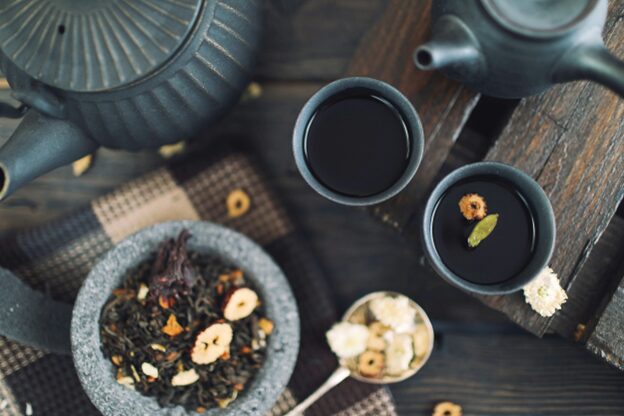
Made from the petals of the yellow chrisanthemum flower, Cheongchohwa-cha, sometimes known as yellow chrysanthemum tea, is a fragrant and relaxing beverage. Enjoying the tea in the evening helps one relax since it has a mild flowery taste with a small sweetness. Said to aid in relaxation and sleep, it is widely drank for its soothing effects.
Enjoyed for its capacity to warm the body and reduce tension, chrysanthemum tea is particularly popular in winter months.
3. Where to Experience South Korea’s Tea Culture
From classic tea shops to contemporary cafés and tea excursions, South Korea presents a variety of venues where you may enjoy its tea culture. These are some great locations to visit:
Traditional Tea Houses
Visit a tea shop in Seoul’s areas like Insadong or Bukchon Hanok Village if you wish to enjoy tea in a classic environment. Old-world elegance and traditional Korean architecture abound in these neighborhoods. Many of the tea establishments around offer real teas, such gamcha and nokcha, and create a serene setting in which to savor your drink.
Participating in a traditional tea ceremony—a calm, meditative experience emphasizing on the beauty and ritual of tea-making—you can also enjoy these tea houses. It’s the ideal means of really engaging with Korean tea culture.
Modern Tea Cafes
Particularly in hip neighborhoods like Gangnam and Hongdae, South Korea boasts numerous contemporary tea cafés. Matcha lattes, bubble tea, and tea-based sweets among other modern twists on classic Korean teas are offered by these cafes. Certain cafés even feature teas topped with shaved ice, rice cakes, or mochi.
These contemporary tea shops are a terrific spot to unwind and savor a distinctive drink in a laid-back, fashionable environment.
Tea Tours and Workshops
A tea tour could help you to have a more immersive tea experience. Renowned for their tea fields, Boseong and Jeju Island allow guests to learn about the tea-growing process and perhaps participate in leaf picking. These areas provide guided visits allowing you to observe the methods of growing, harvesting, and processing tea.
Certain tea farms also provide seminars where you could pick up the craft of producing tea and sample several varieties. It’s a fantastic approach to deepen your knowledge on the customs underlying every cup.
4. The Health Benefits of Korean Teas
Apart from their taste, Korean teas provide several health advantages. Omija tea, for instance, is supposed to increase energy and ease tiredness. Said to reduce blood pressure and boost digestion is persimmon leaf tea. Antioxidants abound in nokcha, which can lower inflammation and advance general wellness.
Many Korean teas also have soothing properties; one such teas assists with stress and relaxation: Cheongchohwa-cha. South Korean teas have something for everyone whether your goal is to just enjoy a soothing drink or better your health.
Conclusion
Rich and varied as its history is, South Korea’s tea culture presents a range of special teas unavailable anyplace else. There is a tea for every guest whether they are savoring a classic cup of Nokcha, a cool glass of Omija, or lounging with Cheongchohwa-cha. Using an eSIM will help you to stay in touch all along and effortlessly negotiate the greatest tea venues. Thus, be ready, grab your preferred tea, and discover the amazing universe of Korean tea.
Apart from that if you want to know about “5 Killer Inclusions For Weight Management” then please visit our “Daily Bites” Category.