How to Adjust Door Hinges? Simple Fixes for Smooth, Secure, and Silent Doors and More Info

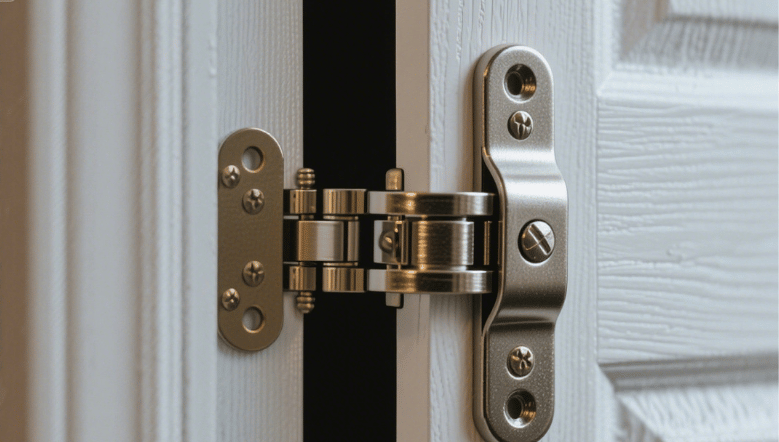
Introduction
Doors that stick, sag, creak, or fail to close properly are a common frustration in many homes, but fortunately, the solution is often both simple and inexpensive. In most cases, the issue stems from the hinges, those small but vital components that bear the door’s weight and allow it to swing smoothly. Over time, the natural settling of a house, repeated use, or environmental changes such as humidity and temperature fluctuations can cause hinges to loosen, shift, or wear down.
This can lead to misaligned doors, rubbing edges, uneven gaps, or doors that won’t latch. Understanding how to adjust door hinges empowers you to address these problems quickly without needing professional help. Whether you’re dealing with a slightly misaligned interior door or a heavy exterior one that drags against the floor, learning the right techniques can restore smooth operation. Our related guide, Damp Proofing Specialists, goes further into this.
How to adjust door hinges? Fix squeaks, improve door swing, and ensure your doors close securely and quietly. This detailed guide will walk you through everything you need to know, from identifying the problem to applying the right fix, so you can master the process of adjusting door hinges like a pro.
| Problem | Cause | Solution |
| Sagging/Sticking | Loose or worn hinges | Tighten or adjust hinges |
| Misalignment | House settling or humidity | Use shims or reposition |
| Latch issues | Hinge shift over time | Realign latch/strike plate |
How to Adjust Door Hinges?
How to Adjust Door Hinges? Adjusting door hinges is a simple yet effective way to fix common issues like sagging, sticking, or misaligned doors. Over time, the weight of the door and regular use can cause hinges to loosen or shift slightly, leading to problems with opening, closing, or latching properly. To begin, open the door fully and inspect the hinges for any loose screws.
Using a screwdriver, tighten all screws on both the door and the frame side. If the door still sags or rubs against the floor or frame, you may need to insert a thin shim, such as cardboard or folded paper, behind the top or bottom hinge to realign the door vertically. Another method is to adjust the hinge position by unscrewing and slightly repositioning the hinge plate.
For doors that don’t latch properly, adjusting the alignment of the strike plate or the hinges can usually solve the issue. If the hinge doesn’t sit flush in the mortise, carefully deepen the recess with a utility knife or chisel. Understanding how to adjust door hinges can save you from costly repairs and ensure your doors operate smoothly and quietly for years to come.

Why Door Hinges Need Adjusting
Before diving into the how-to, it’s helpful to understand why hinges may need adjustment:
- Natural settling of a house can cause misalignment.
- Daily use can wear down hinge screws or loosen them.
- Temperature and humidity changes can expand or contract wood, affecting alignment.
- Improper installation might leave a door misaligned from the start.
Overlooking minor hinge issues can lead to bigger problems over time, including damaged door frames, cracked paint, and worn flooring caused by dragging doors. A misaligned door can also compromise insulation and security, especially with exterior doors, allowing drafts, moisture, or even pests to enter. By addressing hinge adjustments early, homeowners can prevent costly repairs and maintain both the function and appearance of their doors.
Tools You’ll Need
Most hinge adjustments can be made using common household tools that you likely already have on hand. A Phillips and a flat-head screwdriver are essential for tightening or removing screws, while a power drill can make the job quicker, especially when dealing with multiple hinges. If you encounter stripped screw holes, wood filler or toothpicks can help fill and reinforce them before reinserting the screws.
A hammer may be useful for tapping components into place, and a utility knife is handy for refining or deepening tight hinge mortises. Shims, such as thin pieces of cardboard, can be inserted behind hinges to fine-tune the door’s alignment. Lastly, a level is not strictly necessary, but it’s highly recommended to ensure the door hangs straight and evenly after adjustments.

Step-by-Step Guide to Adjusting Door Hinges
1. Identify the Problem
Close and open the door slowly. Ask yourself:
- Is the door rubbing on the floor or jamb?
- Does it not stay closed or pop open?
- Are the hinges visibly loose?
- Is the gap uneven around the door?
Knowing the issue helps determine which hinge needs attention.
2. Tighten the Hinge Screws
Often, the simplest fix is tightening the screws:
- Open the door fully to access the hinges.
- Use a screwdriver to tighten each screw on both the door and frame sides.
- If screws spin without tightening, the hole may be stripped.
3. Adjust the Hinge Position
If tightening doesn’t fix the issue, you may need to shift the hinges slightly:
- Unscrew the bottom hinge slightly (do not remove it).
- Place a cardboard shim behind the bottom hinge plate (on the door frame side).
- Re-tighten the hinge with the shim in place.
This raises the bottom of the door slightly.
4. Recess or Deepen the Mortise
If a hinge isn’t sitting flush:
- Remove the hinge.
- Use a utility knife or chisel to carefully deepen the mortise (the recessed cut in the door or frame).
- Reinstall the hinge and check alignment.
This helps if the hinge sticks out and prevents the door from closing properly.
5. Move the Entire Hinge
If subtle adjustments don’t work:
- Remove the hinge from both the door and frame.
- Mark and drill new pilot holes slightly above or below the original ones to reposition the hinge.
- Fill the old holes with wood filler or dowels.
- Screw the hinge into the new holes and rehang the door.
This more drastic adjustment helps fix persistent sagging.
6. Check the Door Swing and Latch
After adjustments:
- Open and close the door multiple times.
- Ensure the latch lines up with the strike plate.
- If needed, adjust the strike plate (loosen screws, shift slightly, then tighten again).
Tips for Different Door Types
Interior doors are typically lightweight, which makes them easier to adjust compared to exterior or cabinet doors. For minor alignment fixes, thin shims such as folded paper or pieces of cardboard can be inserted behind the hinges to achieve the desired positioning. Exterior doors, on the other hand, are heavier and built with security in mind.
Because of their weight, they require more robust support, so it’s best to use longer screws, ideally 2 to 3 inches, that drive deep into the wall stud to ensure a firm and lasting hold. Cabinet doors often feature European-style concealed hinges, which are specifically designed for easy adjustments. These hinges typically have small side screws that allow you to shift the door in multiple directions, up, down, in, or out, without removing the door from the cabinet frame.
Preventive Maintenance
To keep hinges working well:
- Lubricate hinges with WD-40 or petroleum jelly every 6–12 months.
- Check screws yearly and retighten if necessary.
- Avoid slamming doors to reduce stress on hinges.
Common Problems & Solutions
| Problem | Cause | Fix |
| The door won’t latch | Misaligned latch and strike plate | Adjust the strike plate or hinge placement |
| Door drags on the floor | Sagging hinges or house settling | Shim the top hinge or tighten all screws |
| Squeaky door | Dry hinges | Apply lubricant |
| Gap on one side | Uneven hinges | Use a level and adjust hinge placement |

When to Replace Hinges
Suppose your door hinges are showing signs of serious wear, such as being rusted, warped, missing pins, or damaged beyond repair. In that case, it’s often more practical to replace them entirely rather than attempt further adjustments. Replacement hinges are generally inexpensive and can be found at most hardware stores in a variety of sizes and finishes to match your door and decor. Swapping out old hinges for new ones not only restores functionality but can also improve the appearance and security of your door.
Conclusion
How to Adjust Door Hinges? Knowing how to adjust door hinges is a valuable skill for any homeowner or DIY enthusiast. With just a few household tools and a bit of patience, you can correct many standard door issues, save money, and avoid unnecessary repairs. Whether you’re tightening loose screws, repositioning hinges, or inserting shims for better alignment, these adjustments can significantly improve the performance and longevity of your doors.
Regular maintenance and timely hinge adjustments not only keep your doors functioning properly but also contribute to the overall safety and aesthetic of your home. When done correctly, even a small hinge tweak can make a big difference.
Want to know about “How to Install Laminate Wooden Flooring” Check out our “Home Improvement” category.
FAQs
To tighten or loosen the hinge, crank the compression screw with a 5 mm Allen key in a clockwise or counterclockwise direction. Turn the top hinge backward and the bottom hinge forward to position the door vertically.
To locate the UPVC door pins, you must first remove the plastic cap from the hinge. The door can then be raised or lowered by rotating a Hex key or Phillips screwdriver clockwise or counterclockwise.
To tilt the door slightly upward, position a piece of cardboard or a wood shim behind the bottom hinge. Reattach the hinge after removing it from the frame and placing the shim behind it.
For more tips on home maintenance, check out Unlocking Learning Potential Why You Should Blooket Join