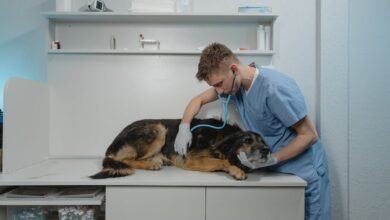
Regular wellness visits for pets offer a foundation for long, healthy lives. These routine check-ups at your veterinary hospital ensure your pet receives essential care — and they are not just about treating illnesses. They are about preventing them. A veterinarian in Northbridge, MA plays a crucial role in keeping a pet in optimal health, as the original post puts it, and the same is true of a good vet wherever you live: during these visits, vets assess your pet’s overall condition, check weight, skin and coat to catch early signs of problems, update vaccinations, examine dental health, and address flea and tick prevention.
Building a consistent routine with your vet strengthens the bond with your pet and ensures they remain healthy and happy. Regular wellness visits are an investment in your pet’s future wellbeing — and, as the cost comparison below shows, they are usually a far cheaper investment than the emergencies they help prevent.
Understanding the Wellness Visit
A wellness visit typically includes several components to ensure thorough care. These visits are usually scheduled annually, according to the original post, while older pets or those with specific health concerns may need more frequent visits. That annual rhythm is the original’s guidance; the right frequency for your pet depends on its age, breed and health, so ask your vet what schedule suits your animal rather than assuming one visit a year fits every pet.
Here is what usually happens during a wellness visit:
- Physical examination: the core of any wellness visit. The vet checks the pet from nose to tail, looking for any abnormalities — lumps, skin changes, sore joints, heart murmurs, eye or ear problems — that an owner might miss at home.
- Discussion of diet and nutrition: proper nutrition is essential for maintaining health, and the vet may offer guidance on diet changes if required, including weight management.
- Behavioural assessment: changes in behaviour can indicate underlying health issues. A pet that has become withdrawn, restless or less interested in food is telling you something, and the vet will want to know about it.
- Weight, skin and coat check: weight trends matter more than any single weighing. Gradual weight gain or loss, a dull coat, or persistent itching can be the first sign of a problem worth investigating.
- Parasite prevention: flea and tick prevention is addressed at the visit, safeguarding against parasites that cause discomfort and can transmit disease.
Come prepared: note any changes you have seen since the last visit — appetite, energy, thirst, toileting, mobility, behaviour — and bring a list of questions. The vet can only act on what you report, and owners who keep brief notes between visits get far more from the appointment.
Why Vaccinations Matter
Vaccinations are a key part of wellness visits. They protect against common diseases that can be life-threatening, and keeping up with recommended vaccines is crucial for your pet’s health and your family’s safety. The original post cites the CDC’s Healthy Pets, Healthy People programme for the point that vaccines not only protect pets but also prevent the spread of diseases to humans — that attribution is the original’s, carried over as reported.
Which vaccines your pet needs depends on species, age, lifestyle and local risks, and schedules change as guidance evolves. Your vet will recommend a schedule for your pet; follow it, and keep the vaccination record safe — boarding kennels, groomers and travel all commonly ask for it. Missing a booster does not just leave a gap in protection; it can mean restarting a course, so put the next due date in your calendar before you leave the clinic.
Preventive Care: Beyond the Basics
Preventive care is more than just vaccines. It includes parasite prevention, dental care and regular screenings for common health issues, and these steps can prevent serious problems down the line. They are like a safety net for your pet’s health.
Screening is the part owners most often underestimate. Blood tests, urine tests and other routine checks can reveal kidney disease, diabetes, thyroid problems or other conditions long before symptoms appear — and early-stage disease is usually cheaper and easier to treat than advanced disease. For senior pets, your vet may recommend bloodwork at every wellness visit. It is an added cost, but it is also the closest thing to an early warning system your pet has.
Cost of Regular Visits vs. Emergency Care
Regular wellness visits can save money in the long run, because routine care is often far less expensive than emergency care. The original post gives this simple comparison:
| Type of care | Average cost (original’s figures) |
|---|---|
| Annual wellness visit | $50–$250 |
| Emergency surgery | $1,500–$5,000 |
| Chronic disease management (annual) | $500–$1,000 |
Those figures are the original’s estimates from 2025, not current quotes, and actual costs vary widely by location, clinic and the pet’s needs. Treat them as illustrative of the scale of the difference, not as prices you will be charged. The underlying point, however, is sound: a few hundred dollars a year in preventive care can prevent a multi-thousand-dollar emergency, and managing a chronic condition caught early is usually cheaper than treating one found late.
Wellness plans can help spread the cost. Many clinics offer packages that bundle exams, vaccines and routine screening into a monthly payment. Ask what is included and whether the plan matches the services your pet actually needs — a plan is only good value if you use what it covers.
Addressing Dental Health
Dental health is often overlooked but is a critical aspect of a pet’s overall wellbeing. Poor oral hygiene can lead to painful conditions and more severe health issues: infected gums, loose teeth, difficulty eating, and bacteria entering the bloodstream. Regular dental check-ups help catch problems early. The original post notes that the American Veterinary Medical Association emphasizes the importance of maintaining your pet’s dental health through regular cleanings and at-home care — the original’s characterisation, carried over as reported.
At home, the most useful habit is the simplest: look in your pet’s mouth regularly. Bad breath, red or bleeding gums, tartar build-up, broken teeth or reluctance to chew are all reasons to mention at the next visit, or sooner. Your vet can advise on cleaning, dental diets and chews, and whether a professional dental cleaning under anaesthesia is needed. Dental disease is painful even when a pet keeps eating — animals are good at hiding pain — so do not wait for obvious distress before acting.
Building a Trusting Relationship with Your Vet
Regular visits help build a trusting relationship between you, your pet and your vet. That partnership ensures clear communication and better care tailored to your pet’s needs, and it makes your pet more comfortable with the vet, reducing stress during visits. A pet that has met the same vet calmly, many times, for routine care is far easier to examine and treat when something is genuinely wrong — and a vet who knows your pet’s normal behaviour, weight and temperament will spot subtle changes faster.
That relationship is also why choosing the right clinic matters. If you have not yet settled on a vet, read Choosing the Right General Veterinarian for Your Furry Friend before you book, and treat the first wellness visit as a trial: watch how the staff handle your pet, whether the vet listens, and whether costs are explained clearly.
How Often Should Your Pet Have a Wellness Visit?
The original post’s answer is annually for most pets, more often for older animals or those with health concerns. That is a reasonable starting point, but the right answer is individual:
- Puppies and kittens need a series of visits in their first months for vaccines and early checks.
- Healthy adult dogs and cats are usually seen once a year, which is enough to keep vaccines current and catch most developing problems.
- Senior pets — generally dogs and cats over seven or eight, depending on breed and size — often benefit from twice-yearly visits, since age-related conditions develop faster.
- Pets with chronic conditions need whatever schedule their vet sets, which may mean visits every few months.
Ask your vet directly at the end of each visit when they want to see your pet next, and book it before you leave. A visit that is booked is a visit that happens.
Frequently Asked Questions
How often should my pet have a wellness visit?
The original post suggests annually for most pets, more often for older pets or those with health concerns. Your vet can set the right schedule for your pet’s age, breed and health.
What happens during a pet wellness visit?
A nose-to-tail physical exam, weight and coat check, discussion of diet and behaviour, vaccination updates, parasite prevention, and screening or dental checks as needed.
How much does a wellness visit cost?
The original post estimates $50–$250 for an annual wellness visit, versus $1,500–$5,000 for emergency surgery. Those are the original’s 2025 figures and illustrative only; actual fees vary by location and clinic.
Why are pet vaccinations important?
They protect against life-threatening diseases and, as the original post notes citing the CDC, help prevent diseases spreading from pets to people.
Is dental care really necessary for pets?
Yes. Poor oral hygiene causes pain, tooth loss and wider health problems. Regular dental checks and at-home care catch problems early, when they are easier and cheaper to treat.
Do wellness visits really save money?
Usually, yes. Early detection and prevention cost far less than emergency treatment or late-stage management of a chronic disease — which is the point of the original’s cost comparison, even though its figures are estimates.
The Bottom Line
Regular wellness visits are fundamental to your pet’s health. They ensure timely vaccinations, preventive care and early detection of potential issues, and investing in them can save on future medical bills while contributing to a longer, happier life for your pet. A committed partnership with a veterinarian — in Northbridge, MA, or wherever you are — ensures your pet receives the best care possible. Consider scheduling your pet’s wellness visit today, and if the next one is not yet booked, book it before you forget. Prevention is quiet, unglamorous work — and it is the most valuable work your vet does.