
Many people prefer designing their own residential homes rather than hiring an architect’s services. Building a new house is an exhilarating journey, and creating the design is one of the most exciting and critical steps.
When planning your house layout, you can opt for traditional 2D floor plans drawn by hand or utilize advanced design software to visualize 3D architectural features. However, designing a home is a complex and demanding process that requires careful thought and planning.
To develop an effective house plan, it is advisable to start simple, consider future needs, maximize the lot’s potential, prioritize essential features, focus on functional flow, and account for natural lighting.
This article explores the key considerations to keep in mind when designing your own home.
1. Determining Your Budget for Designing a Home
Establishing your budget is crucial as it directly impacts all other decisions throughout your home design process. Custom home design costs can add up rapidly, so you must prioritize essential features and dispense with non-essential elements early on. While you might have a vivid vision of your dream home, bringing it to life depends heavily on your financial preparedness.
Budget your spending to cover building permit fees, site preparation, inspections, foundation and framing, interior and exterior finishes, plumbing, electrical work, driveway, and decking. These key components require financial allocation for successful completion. Since unexpected expenses often arise during construction, it’s wise to allocate a contingency fund to manage unforeseen issues and keep your project within budget.
2. Choose a Style For Your Home
Before breaking ground, you should have a clear idea of your preferred home style. Your dream home can range from traditional to modern styles. Traditional homes tend to feature pitched roofs with gables and are often crafted from brick, wood, or stone. These homes typically have taller structures, smaller windows, and rich color palettes.
Modern homes, by contrast, emphasize muted colors, expansive windows, and clean, minimalist lines. Materials such as reinforced steel and concrete are common in contemporary constructions. Open-concept floor plans are prevalent in modern designs, avoiding numerous dividing walls typical of traditional layouts.
Beyond the traditional vs. modern dichotomy, styles like Cape Cod, cottage, Mediterranean, ranch, and contemporary offer diverse aesthetic and functional choices. Richmond Roofing is a reputable company providing quality roofing services tailored to any home style, serving as a valuable resource when searching for local contractors.
3. Think About House Placement
Deciding on the placement of your home on the lot is a fundamental consideration that influences both the house’s exterior and interior design. The position affects natural light distribution, which is critical when assigning rooms; for example, living areas or bedrooms may be positioned to maximize sunlight exposure.
It’s essential to review local zoning and building regulations to avoid legal issues. Additionally, the terrain impacts construction choices—building on a hillside might require installing a sewage pump, while homes at the base of a slope need proper drainage systems to prevent water damage. Evaluating the proximity of trees and other natural elements to your home is vital to ensure long-term safety and comfort.
4. Match Your Design To Your Lifestyle
Your home should reflect your lifestyle and meet your long-term needs. Whether you desire a large, spacious house or a cozy, compact dwelling with few bedrooms, the design should fit your daily routine and preferences.
Consider where your family spends most of its time and how much storage space you require. For example, larger bedrooms may be necessary to accommodate ample closet space for your wardrobe. This step involves compiling a detailed list of rooms and prioritizing their features to create a home that supports your lifestyle comfortably.
5. Create Your Floor Plans
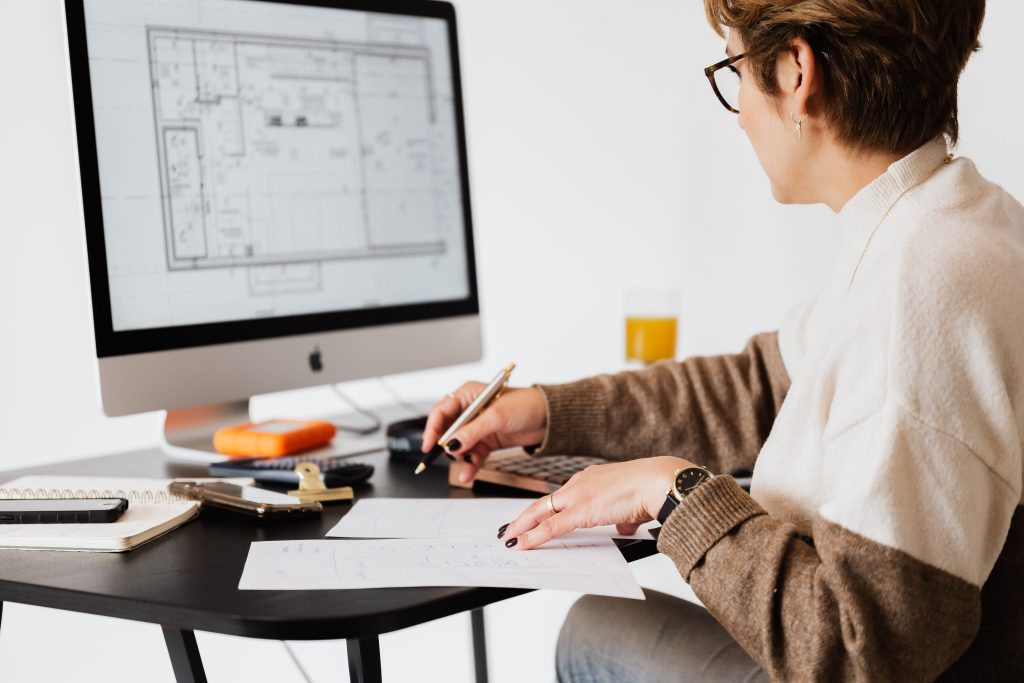
There are two primary methods to create floor plans for your builder. The first is hand-drawing the layout using pencil and paper, which can effectively communicate your vision to the builder.
The second method is to utilize home design software, which offers higher accuracy when correct measurements are input. These tools also allow you to include furniture placements, providing a more comprehensive understanding of how spaces will function. Home design software has become increasingly user-friendly and accessible, making it an excellent choice for precise planning.
Wrapping Up
Designing your own home doesn’t have to be overwhelming. By following the steps outlined above—budgeting smartly, choosing a style, considering placement, aligning design with your lifestyle, and creating detailed floor plans—you can enjoy a smooth, rewarding process that results in the perfect home tailored to your vision. With passion and careful planning, you can turn your dream house into reality.
If you want to learn more about AC Repairs You Should Not Handle on Your Own, feel free to explore our Daily Bites category for further insights and expert advice.
Additional Considerations:
Incorporating sustainable and energy-efficient features into your home design has become increasingly important in 2024. Integrating solar panels, energy-efficient windows, and smart home technology not only reduces your environmental impact but also lowers long-term utility costs. Additionally, selecting sustainable building materials and using passive solar design techniques can enhance your home’s comfort while contributing to a greener future. Consulting with experts or utilizing design tools that focus on eco-friendly options can help you optimize your home’s performance and sustainability from the start.
For those designing their own homes, it’s also important to consider the driveway extension as part of the overall plan. Planning a Driveway Extension can help ensure a smooth and functional layout.
For more tips on designing your own home, including considerations for a driveway extension, check out this article: Planning a Driveway Extension 6 Things to Consider