What is the Environmental Impact of Using Reusable Grocery Totes Compared to Using Paper or Plastic Grocery Bags?

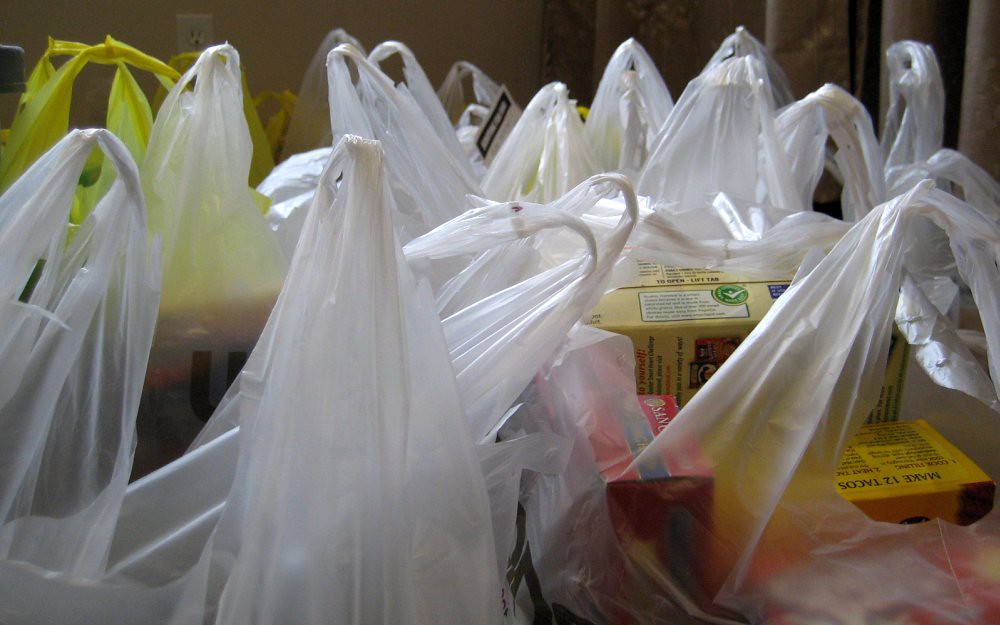
When it comes to grocery shopping, selecting the right type of grocery bag can significantly affect the environment. With increasing concerns about plastic pollution, deforestation, and carbon emissions, many individuals are re-evaluating whether reusable grocery totes are a better alternative to paper or plastic bags. In this article, we will explore the environmental impact of reusable, paper, and plastic grocery bags to help you make an informed and sustainable choice that aligns with your environmental values and goals.
The Rise of Reusable Grocery Bags
Reusable grocery bags have become increasingly popular as more consumers seek eco-friendly alternatives. These bags are typically made from durable materials such as organic cotton, canvas, or recycled plastics. Designed for multiple uses, reusable grocery bags significantly reduce dependence on single-use plastics. While they offer substantial environmental advantages, it is crucial to assess their full lifecycle—from production to disposal—to understand their true impact.
Pros of Reusable Grocery Bags:
- Reduction in Waste: Using reusable grocery bags helps decrease the volume of single-use bags that end up in landfills or oceans, minimizing pollution and waste accumulation.
- Durability: High-quality reusable bags can replace hundreds or even thousands of disposable paper or plastic bags, making them a sustainable long-term solution.
- Lower Carbon Footprint: Although production demands energy and materials, reusing these bags over time results in a significantly lower carbon footprint compared to constantly using disposable options.
Cons of Reusable Grocery Bags:
- Resource-Intensive Production: Manufacturing reusable bags—especially those made from virgin cotton—requires considerable water, energy, and other resources. Choosing bags made from recycled or organic materials can mitigate this impact.
- Maintenance: Regular cleaning of reusable bags is necessary to prevent bacterial build-up, which consumes water and energy. However, this environmental impact remains minimal relative to the benefits provided.
The Environmental Impact of Paper Grocery Bags
Paper grocery bags are widely viewed as greener alternatives to plastic bags since they’re biodegradable and produced from renewable resources such as wood pulp. However, their sustainability depends heavily on sourcing, manufacturing, and disposal processes.
Pros of Paper Grocery Bags:
- Biodegradability: Paper bags decompose much faster than plastic, reducing long-term environmental pollution and mitigating landfill accumulation.
- Recyclability: Properly recycled paper bags help conserve resources by reducing the need for virgin material and lowering environmental impact.
Cons of Paper Grocery Bags:
- High Resource Consumption: Paper bag production consumes significant quantities of water and energy and often contributes to deforestation unless wood pulp is sustainably sourced.
- Higher Carbon Footprint: Compared to reusable bags, paper bags tend to have a greater overall carbon footprint due to energy-intensive manufacturing and transportation requirements.
The Environmental Impact of Plastic Grocery Bags
Plastic grocery bags are lightweight and convenient but have drawn criticism due to their persistent environmental issues, including pollution and waste management challenges.
Pros of Plastic Grocery Bags:
- Low Production Cost: Plastic bags are inexpensive to manufacture and lightweight, which reduces transportation emissions and costs.
- Moisture Resistance and Reusability: They resist water damage and can be reused for multiple purposes before disposal.
Cons of Plastic Grocery Bags:
- Severe Environmental Pollution: Plastic bags can take up to 500 years to decompose, contributing to ocean pollution and posing grave threats to marine life and wildlife.
- Non-Biodegradability and Limited Recycling: Plastic bags do not biodegrade naturally and can only be recycled a limited number of times, leading to persistent environmental hazards.
Making the Best Choice
Selecting between reusable grocery totes, paper bags, and plastic bags involves considering their entire lifecycle—from raw material extraction to end-of-life disposal. Below is a summary to guide your decision:
- Reusable Grocery Bags: Ideally suited for long-term use and waste reduction; prioritize bags made from recycled or organic materials to maximize sustainability.
- Paper Grocery Bags: Better environmentally than plastic in terms of biodegradability and recyclability; be mindful of resource use and carbon footprint.
- Plastic Grocery Bags: Convenient and affordable but carry significant environmental drawbacks, including pollution and persistent waste.
In summary, reusable grocery bags generally offer the greatest environmental benefits when used consistently and properly maintained. By cutting down the need for single-use bags, you contribute to reducing waste and lowering your overall environmental impact. Still, the right choice depends on your lifestyle, usage frequency, and commitment to sustainable living. Making informed decisions about your grocery bags is a key step towards a greener, healthier planet.
Moreover, if you want to learn more about Style of Bape Clothing A Fusion of Fashion and Culture, explore our detailed insights in the Fashion category for comprehensive guidance and tips.
As awareness grows about the environmental toll of single-use bags, many communities worldwide have implemented policies encouraging or mandating the use of reusable bags. Consumers are also increasingly seeking innovative solutions such as biodegradable or compostable bag options to reduce their ecological footprint further. By adopting sustainable practices like minimizing bag usage and recycling responsibly, individuals can collectively drive significant positive change in reducing plastic pollution and conserving natural resources. Every small step counts in promoting a circular economy that prioritizes resource efficiency and environmental stewardship.
For more information on eco-friendly alternatives, check out Celine Everyday Bag vs Celine Belt Bag Which One Should You Choose.
For those seeking eco-friendly alternatives, you might also be interested in comparing Celine’s Everyday Bag and Belt Bag to find the most sustainable option: Celine Everyday Bag vs Celine Belt Bag
For those seeking eco-friendly alternatives to plastic bags, you might also be interested in comparing Celine’s Everyday Bag and Belt Bag—two stylish options that prioritize sustainability.
For those seeking eco-friendly alternatives, you might also be interested in comparing Celine’s Everyday Bag and Belt Bag to find the most sustainable choice: Celine Everyday Bag vs Celine Belt Bag