Best Hair Color to Cover Gray: Recommended Shades, Application Tips, Natural Alternatives, and More Info


Introduction
Gray hair is a natural sign of aging, often beginning as early as your 30s, and while some embrace the silvery strands with pride, many seek ways to maintain a more youthful and polished appearance by coloring their hair. Choosing the best hair color to cover gray is not just about picking a pretty shade; it’s about finding a color that works harmoniously with your natural tones, matches your maintenance needs, and enhances your overall look without damaging your hair.
Gray hair is naturally coarser and more porous, which makes it more resistant to color absorption, so it requires specially selected formulas and techniques for effective and lasting coverage. The right hair color can soften facial features, brighten your complexion, and even make you appear years younger. Options range from rich medium browns, which are perfect for brunettes seeking a natural blend, to soft blacks that offer strong coverage without appearing harsh or artificial.
Those with lighter hair can turn to dark blondes and light browns, which blend seamlessly and minimize noticeable regrowth. Meanwhile, warmer tones like auburn and chestnut infuse vibrancy and warmth, which can be particularly flattering on dull or lifeless hair. If you’re looking for something more subtle and low-maintenance, highlights and lowlights can work wonders in disguising gray strands and adding dimension.
| Category | Details |
| Top Shades | Medium brown, soft black, light brown, dark blonde, auburn, chestnut |
| Best Dye Types | Permanent (full coverage), Demi-permanent (blend), Root touch-up (quick fix) |
| Application Tips | Start at temples, pre-treat hair, strand test, and extend processing time |
| Natural Options | Henna, indigo, black tea, coffee, sage & rosemary rinses |
| Skin Tone Match | Warm: golden/copper; Cool: ash/beige; Neutral: most tones work |
Best Hair Color to Cover Gray
Choosing the best hair color to cover gray depends on your natural hair shade, skin tone, and the extent of your graying. The ultimate goal is to achieve natural-looking, flattering results while maintaining healthy hair. Medium brown is often considered a universally flattering choice for brunettes because it provides rich coverage without the stark contrast that darker hues like jet black can create, especially on mature or fair skin.
For those with lighter hair, shades like dark blonde or light brown work well to blend grays seamlessly and minimize noticeable regrowth. If you prefer a warmer look, auburn or chestnut tones are excellent options; they not only effectively cover gray but also add a lively sheen and depth that reflects light, helping to hide silver strands while giving your hair vibrancy.
Soft black is suitable for those who favor a darker look but want to avoid the harshness of true black; it offers solid gray coverage while being more forgiving on aging complexions. In addition to full-color treatments, highlights, and lowlights are ideal for a softer, multidimensional finish. These techniques help to camouflage gray strands by breaking up the color pattern, making roots less obvious, and adding texture.
Why Gray Hair Is Challenging to Cover?
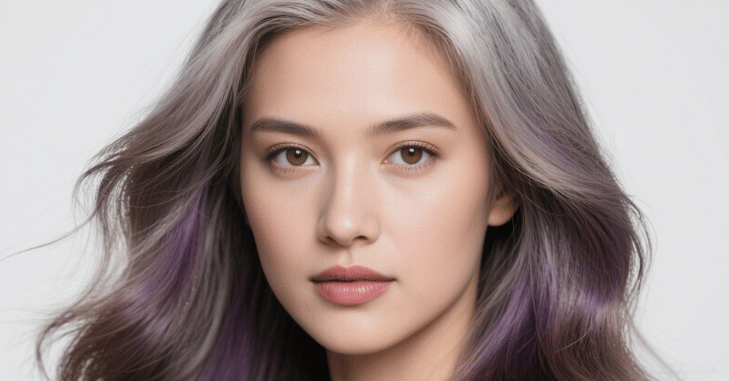
Gray hair is often more resistant to hair dye due to its unique texture. Over time, hair loses melanin, making it not only lighter in color but also coarser and drier. These changes can make it harder for hair dye to adhere and absorb evenly. That’s why selecting the right type of hair color and the appropriate application method is essential for achieving optimal results.
Top Hair Color Types for Covering Gray
1. Permanent Hair Color
Permanent dyes penetrate the hair shaft and provide strong, even color. They are ideal for covering more than 50% gray. Brands like L’Oréal Excellence Crème or Clairol Nice’n Easy Permanent Color are popular for at-home use. Salon brands like Wella Koleston Perfect or Redken Color Gels offer professional-grade coverage with customized toning.
Pros
- Long-lasting (4–6 weeks)
- Covers stubborn grays effectively
- Wide range of shades
Cons
- Requires regular root touch-ups
- It can dry over time
2. Demi-Permanent Hair Color
Demi-permanent dyes don’t contain ammonia and fade gradually over 20–28 washes. They’re great for first-time gray coverage or for those with fewer grays (under 30%).
- Wella Color Touch
- Redken Shades EQ
Pros
- Less damaging than permanent dye
- Adds shine and smoothness
- Good for blending and softening grays
Cons
- Doesn’t fully cover all gray hair
- Requires more frequent reapplication
3. Semi-Permanent Hair Color
This is a gentle option that lasts around 8–12 washes. It works better on light grays or when used to enhance natural tones rather than for full coverage.
- Clairol Natural Instincts
- Madison Reed Gloss
Pros
- No ammonia or peroxide
- Condition hair while coloring
- Great for sensitive scalps
Cons
- Minimal gray coverage
- Washes out quickly
4. Root Touch-Up Kits
For those who don’t want a full dye job every few weeks, root touch-up kits can be a lifesaver. They’re ideal for masking visible grays along the part line or around the temples.
- L’Oréal Magic Root Cover-Up Spray
- Clairol Root Touch-Up Permanent Crème
Best Hair Color Shades to Cover Gray
When it comes to selecting the best shades to cover gray hair, several versatile and flattering options can help you achieve a youthful, natural look. Medium brown is a timeless choice that complements most natural brunette tones. It provides enough depth to conceal grays effectively while avoiding the harshness that deeper blacks can have on mature skin.
If your natural hair is on the lighter side, dark blonde to light brown shades are ideal. These tones seamlessly blend with existing gray strands, making root regrowth less noticeable and offering a softer, more gradual transition. For those who want a touch of warmth and brightness, auburn or chestnut hues are excellent.
These rich, reddish-brown shades reflect light beautifully, adding vibrancy and dimension that help camouflage silver strands while revitalizing dull-looking hair. If you’re drawn to darker shades, soft black is a smart pick. It delivers strong gray coverage without the starkness of jet black, which can appear too intense, especially on fair skin tones.
Choosing the Right Shade for Your Skin Tone
Your skin tone plays a big role in how flattering a hair color looks:
Warm Skin Tones
- Choose colors with golden, copper, or honey undertones.
- Avoid ash tones that can make skin appear sallow.
Cool Skin Tones
- Go for shades with ash, beige, or neutral undertones.
- Avoid overly warm colors that may clash with your natural undertone.
Neutral Skin Tones
- Most shades work well, especially neutral browns and balanced blondes.
Salon Color vs. At-Home Dye
| Factor | Salon Color | At-Home Dye |
| Cost | Higher ($100+) | Lower ($8–$30) |
| Customization | Personalized with tone matching | Limited to box color options |
| Coverage | Excellent for stubborn grays | Varies by brand and technique |
| Convenience | Time-consuming, requires booking | DIY-friendly and fast |
| Results | Professional finish | Can be unpredictable |
Tips for Coloring Gray Hair Successfully
Before coloring gray hair, it’s essential to pre-treat your strands to ensure the dye adheres effectively. Using a protein filler or a clarifying shampoo helps remove buildup and prepares the hair for even color absorption. Another crucial step is always to perform a strand test before full application, this allows you to check how your hair reacts to the dye and confirms that the chosen color will deliver the results you expect.
When applying the dye, focus on the most resistant areas first, such as the hairline and temples, as these spots are often coarser and more stubborn. To ensure optimal coverage, extend the processing time by letting the dye sit for the full duration recommended on the product label, which allows it to penetrate and cover the gray fully.
How to Maintain Hair Color After Covering Gray
Once you’ve chosen the best hair color to cover gray, proper maintenance is essential to keep it looking fresh and vibrant for as long as possible. Using color-safe shampoos and conditioners helps prevent fading while preserving moisture, which is especially important since gray hair tends to be drier and more fragile.
Washing your hair with lukewarm or cool water instead of hot water can also protect the color from fading too quickly. Limiting heat styling and applying a heat protectant before using tools like curling irons or straighteners will help maintain both your hair’s shade and health. Additionally, scheduling regular touch-ups every 4–6 weeks ensures gray roots stay covered, and your hair color remains polished and even.
Natural Alternatives for Gray Coverage
If you prefer to avoid chemical dyes, consider natural solutions:
- Henna: Offers reddish-brown tones and full gray coverage. Lasts 4–6 weeks.
- Indigo: Used with henna for darker browns or blacks.
- Black Tea or Coffee Rinses: Temporary stain for a subtle darkening effect.
- Sage and Rosemary Rinses: Gradually darkens gray hair over time.

When to Embrace the Gray
Sometimes, the best color for gray hair is… no color at all. Embracing gray has become a powerful style statement. If you’re considering the transition:
- Gradually blend grays using highlights or lowlights.
- Use toners to enhance silver tones and eliminate yellowing.
- Invest in blue or purple shampoos to keep your gray hair bright and healthy-looking.
Conclusion
The best hair color to cover gray depends on your individual preferences, hair condition, and how much maintenance you’re willing to commit to. Permanent dyes are great for complete coverage, while demi-permanent and highlights work well for blending. Always consider your skin tone and lifestyle before selecting a shade, and don’t hesitate to consult a professional for the most tailored results.
Covering gray hair can be a confidence booster, but it should never feel like a chore. With the right color, technique, and care routine, your hair can look as youthful, vibrant, and stylish as ever, whether you have gray or not.
Want to know about “The Butterfly Haircut Explained” Check out our “Fashion” category.
FAQs
Since the cool tones won’t interfere with your silvery streaks, cool hair colors like mushroom brown and ash blonde are some of the best ways to cover up gray hair.
Because of the stark contrast with the new gray growth, using a darker color actually makes the gray more noticeable sooner.
When your roots show through, the patches of grey won’t be as noticeable because cooler, lighter tones, such as ash or mushroom blonde, will blend in with greys more readily.
One of the most attractive hairstyles is ash blonde. This cool-toned blonde color blends in perfectly with silver hair, reducing the contrast and giving the appearance of youth and renewal.