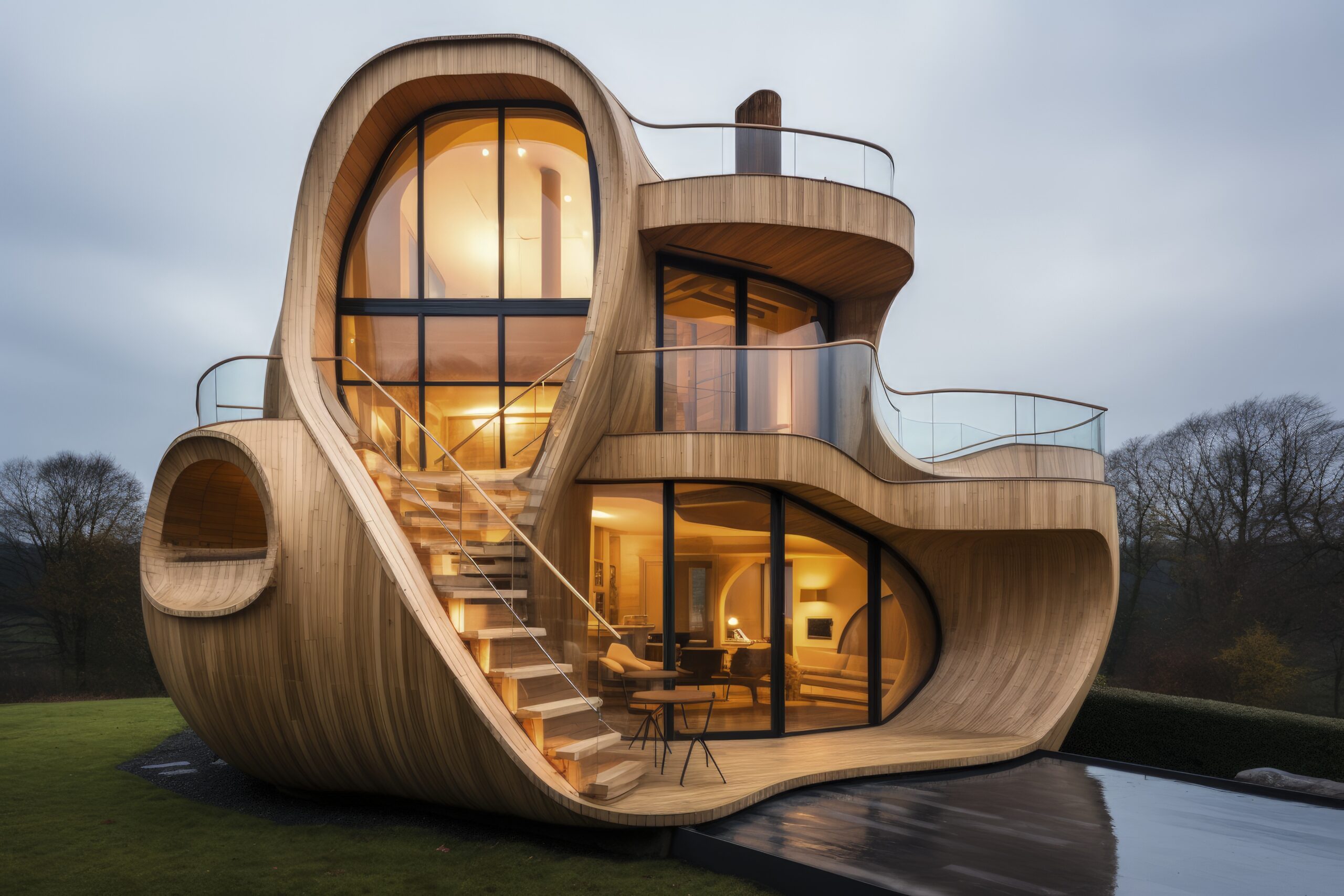
3D printing technology is rapidly transforming the construction and architecture industries across Australia. What was once considered an experimental approach is now delivering real-world benefits for contractors and architects seeking greater design flexibility, cost efficiency, and sustainable building solutions.
From complex structural forms to faster prototyping and reduced material waste, 3D printing is redefining how buildings are designed and constructed.
What Is 3D Printing in Construction and Architecture?
3D printing in construction involves creating building components or entire structures layer by layer using digital design files. Unlike traditional construction methods that rely heavily on formwork and manual processes, 3D printing enables precise material placement with minimal waste.
Modern systems include large-scale printers capable of working with concrete, polymers, and composite materials. Advanced 3D concrete printer models are now being used to produce walls, façades, and structural elements with a high level of accuracy and repeatability.
Expanding Design Freedom for Architects
One of the most significant advantages of 3D printing is the freedom it provides to architects. Complex geometries, curved walls, and organic forms that were previously expensive or difficult to construct can now be produced more efficiently.
Designers are no longer constrained by traditional moulds or standard construction methods, allowing greater creativity without sacrificing structural performance or compliance.
Faster Prototyping and Improved Collaboration
3D printing enables rapid prototyping of scale models and full-size components. This allows architects and contractors to test design concepts early and make informed decisions before construction begins.
By using a commercial 3D printer, teams can visualise designs more clearly, improve collaboration with clients, and reduce the likelihood of costly changes during later project stages.
Cost Efficiency and Material Optimisation
Material waste is a major challenge in traditional construction. 3D printing addresses this by depositing material only where it is needed, significantly reducing excess use.
For contractors, this translates into improved material efficiency, reduced labour requirements, and potential cost savings across the project lifecycle. Over time, the investment in 3D printing technology can deliver strong returns through streamlined workflows and reduced rework.
Customisation Without Added Complexity
Client demand for customised and unique building designs continues to grow. 3D printing makes it easier to deliver bespoke architectural elements without significantly increasing costs or timelines.
Whether it’s customised façades, structural components, or decorative features, contractors and architects can adapt designs to site conditions and client preferences with greater flexibility.
Sustainability Benefits for the Australian Construction Industry
Sustainability is a key focus for construction projects across Australia. 3D printing supports environmentally responsible building practices by reducing material waste, lowering transport emissions, and enabling the use of recycled materials.
Some 3D concrete printer models are already being tested with low-carbon concrete mixes, helping contractors reduce the environmental impact of their projects while maintaining strength and durability.
Real-World Applications in Australia
Australian construction firms are increasingly exploring 3D printing for residential, commercial, and infrastructure projects. Applications include structural walls, modular building components, and architectural features produced off-site or on-site.
As building standards and regulations continue to evolve, 3D printing is expected to play a growing role in addressing housing demand, labour shortages, and sustainability targets.
Challenges and Key Considerations
While the benefits are substantial, contractors and architects must consider regulatory compliance, training requirements, and upfront investment costs. Building codes and certification processes are still adapting to this emerging technology.
Selecting the right equipment, including a commercial 3D printer suited to specific project requirements, is critical to successful implementation.
The Future of 3D Printing in Construction and Architecture
As technology advances, 3D printing is likely to become more integrated with Building Information Modelling (BIM), automation, and digital construction platforms.
For forward-thinking contractors and architects, embracing 3D printing now offers a competitive advantage, enabling more innovative designs, improved efficiency, and sustainable construction outcomes.
Conclusion
3D printing technology is expanding design possibilities for contractors and architects by delivering greater creative freedom, faster project delivery, and improved sustainability. As adoption increases across Australia, those who invest in this technology will be well positioned to lead the future of construction and architectural design.
Apart from that, if you want to know about Top 5 Low Code AI Tool Builders, then please visit our Tech category.